
Black Agriculture Leadership Council: Land, Labor, Legacy
Not long ago, Black farmers were a powerful force in U.S. agriculture—one in seven nationwide, and nearly half in the Deep South. Today, Black farmers make up less than 1% of farmers in Washington State, according to USDA Census of Agriculture data.
Black Agriculture Leadership Council (BALC)was founded in 2024 by Jonathan “JT” Jones-Thomas, Ardell Shaw, and a collective of farmers, educators, and activists dedicated to creating sustainable access to land for the Black community.
As Black History Month marks its 100th year, BALC’s work makes it clear that Black history isn’t confined to the past but lives on in the land, the labor, and the futures Black farmers are building today.
Black Farmers and the Land
“My family were sharecroppers in Texas and had their land taken from them by different institutions,” said JT. “When my grandma died, I read the foreclosure documents, I read the tax documents, and I just wept.”
Early 20th century sharecropping was exploitative, but Black families could stay on the land and build agricultural knowledge and networks. From 1910 on, however, systemic discrimination and racial violence stripped Black farmers of over 14.4 million acres, an estimated loss of $326 billion.
JT said he founded BALC as a way to prevent Black folks from having their land taken again. BALC currently represents 13 entities that manage around 500 acres of Black-owned land in the State of Washington.
“Those who are from the diaspora, especially post-slavery folks, we pretty much were all farmers. We all had a connection to the earth. Our ancestors in Africa are being great land stewards right now using practices they’ve perfected over centuries. How do we get back to that?”
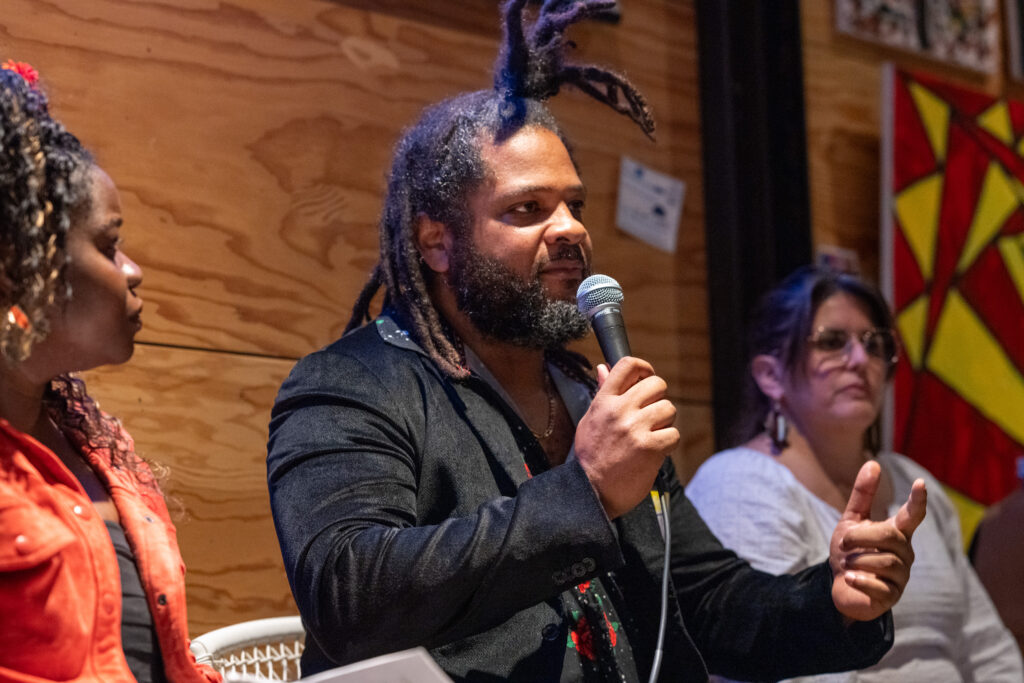
Building Knowledge, Access, and Power
Grounded in partnership, BALC collaborates with local farmers and community leaders to build growth, economic opportunity, and food security. Through education, resources, and advocacy, BALC promotes sustainable agricultural practices and works to dismantle systemic barriers.
“If you’re a Black landowner, you should know how to tend your land,” said JT. “But this is education that people don’t have.”
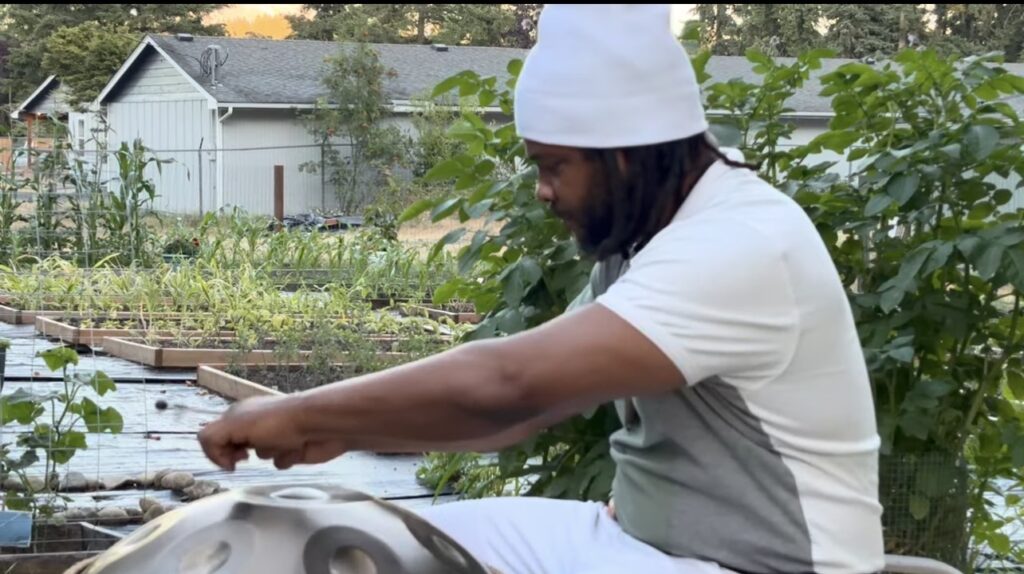
JT himself owns seven acres in Graham and Spanaway. One parcel is forested; the other is multi-use property with farmland, grazeland, garden beds, 30 fruit trees, a 1,400-square-foot barn, and farmers living on site.
He said his passion for agriculture and environmentalism all started with a children’s book. “I remember when I was 6 or 7, I asked my mom to buy me a book on how to survive in the wilderness, and she bought me a book on plants that I could eat.”
Growing up in Des Moines, Washington, that early curiosity was reinforced by time spent outdoors. JT loved hiking in the woods, catching frogs and crawdads, watching his mother garden, going on camping trips, and fishing at the pier.
From Incarceration to Stewardship
JT’s childhood experiences helped influence and shape his ecological mindset. But the biggest influence and turning point on his path, he said, was being incarcerated for 10 years.
“At the Washington State Department of Corrections, they have community gardens that inmates tend. Prison food wasn’t fresh and the food out of the garden would sell for a high price. So me and my homeboys got together, and we started our own little private garden.”
Once JT was moved to minimum security, he worked as a wastewater treatment plant operator at Monroe Correctional Complex. He experimented moving organic waste to a “guerilla garden” and, though the produce wasn’t safe to eat, was amazed at how fast everything grew.
The wastewater treatment plant is up on a hill, JT said, and he was often inspired by looking out over all the farms in the Skykomish Valley. “I was like, when I get out of prison, I’m going to have a farm. That’s going to be my first purchase.”
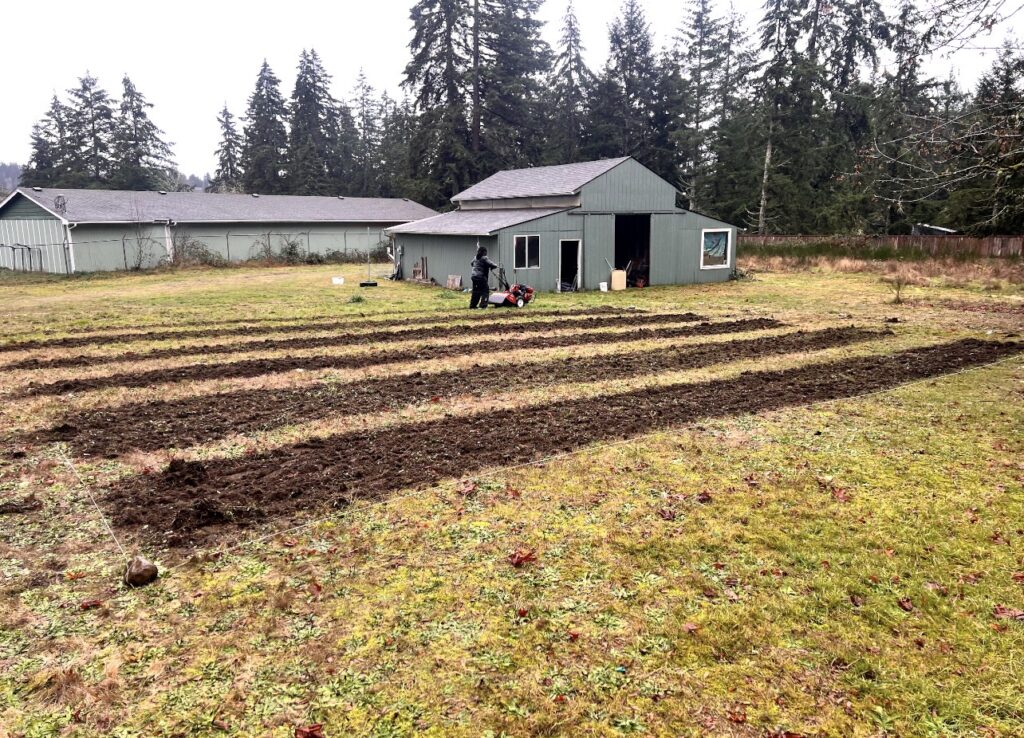
Toward A Collective Future
JT got out of prison in 2018 and bought his first property in February 2019. Two years later, he purchased his second property with assistance from the Pierce County Business Accelerator, which provides training and resources to historically underrepresented entrepreneurs.
“I found out real quick the high need that the community actually has; the Black folks that were just scraping by, trying to hold on to their parcels. I was like, we need to be in community with these folks. So that’s why I founded it Black Agriculture Leadership Council.”
JT will earn his bachelor’s degree in Environmental Sciences from The Evergreen State College this year, and will begin a master’s program in Environmental Studies this fall.
Meanwhile, BALC continues to organize for a future where Black farmers thrive, and their contributions are recognized and valued.
“We’re Black folks grassroots organizing around farming and agriculture. We trade resources, help each other, manage each other’s parcels, promote different events on each other’s lands… It’s just beautiful.”
Learn more about BALC at blackagricultureleadershipcouncil.org
Written by Sharon Ho Chang, Strategic Communications Manager
Subscribe to SJF’s eNews for updates and funding opportunities.
Follow SJF on Instagram and LinkedIn for photos, videos, grantee stories, and more.